English
 Italiano
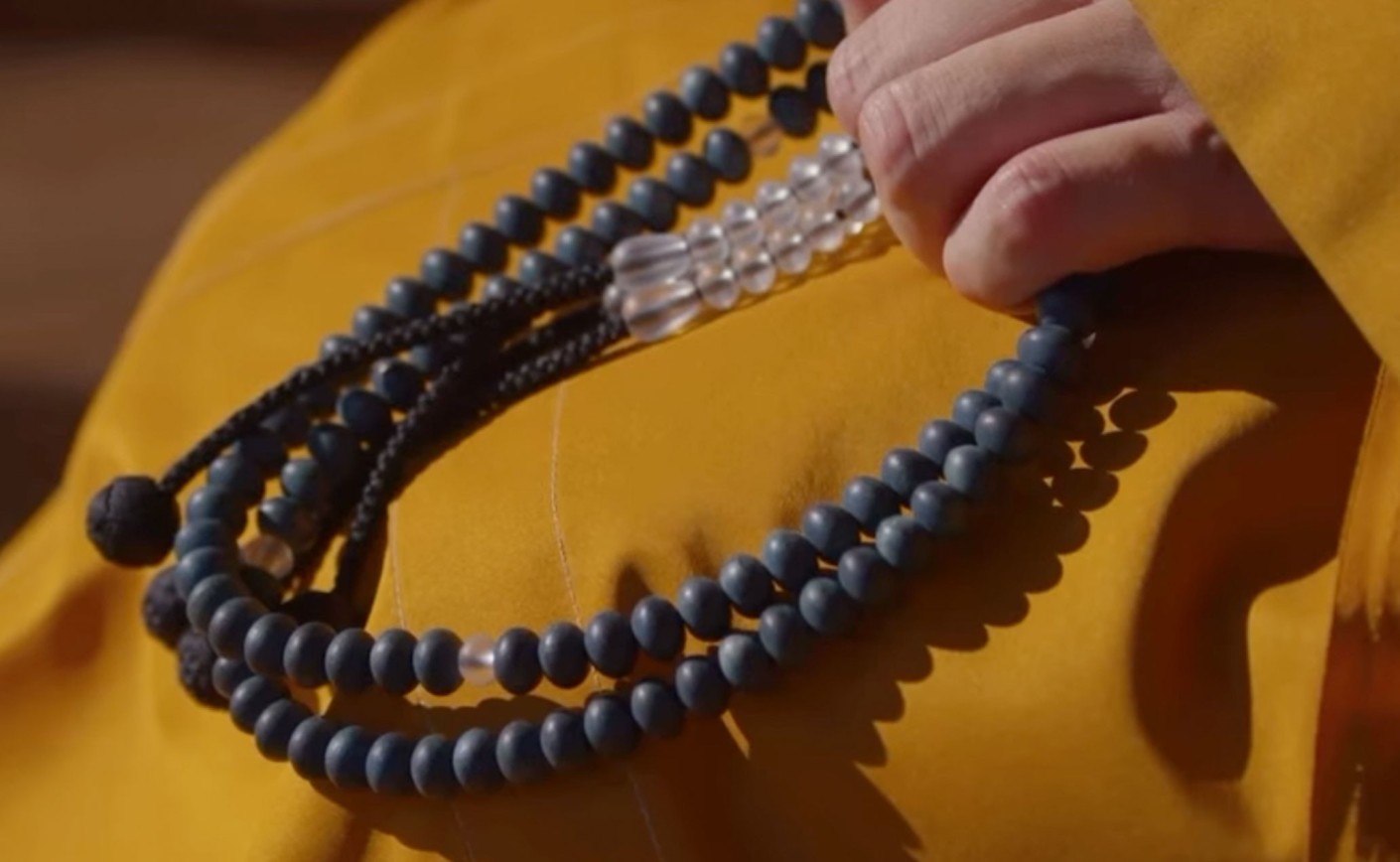
The Juzu (or Nenju), commonly known as the Japanese Buddhist rosary, is far more than a simple prayer tool. While its primary function is to count mantras, in Japanese culture, it is considered a powerful protective amulet capable of acting as a shield against negativity and a catalyst for good fortune.
Origin and Symbolism
The term Juzu literally means "number of beads," while Nenju translates to "thought beads." The standard structure consists of 108 beads, a number that in Buddhism represents the worldly desires and passions that afflict the human soul. Handling the Juzu is not just about praying; it is about "taming" these passions, thereby purifying the spirit.
Protection Against Evils and Bad Luck
In Japanese esoteric traditions (such as the Shingon or Tendai schools), the Juzu is regarded as an object endowed with apotropaic power. It is believed that the sound produced by rubbing the beads between one's hands can drive away evil spirits and dissipate the negative energies that cause misfortune.
- Spiritual Barrier: The Juzu is often worn on the left wrist or held during funerals and temple visits to create a barrier between the practitioner and impure influences.
- Warding off "the Evil Eye": In folk beliefs, beads made from specific materials—such as sandalwood or gemstones (quartz, agate)—absorb curses or the envy of others, protecting the owner's physical and mental integrity.
Invoking Good Fortune
Beyond defense, the Juzu is a tool for attracting benefits. Many Japanese people choose their Nenju based on color or material, associating specific properties with them to improve their luck:
- Rock Crystal: A symbol of purity, used to "clear" the path of negative karma.
- Bodhi Seeds: Considered the most sacred, they promote mental clarity and spiritual success.
- Cherry or Plum Wood: These symbolize rebirth and prosperity.
The Importance of the Personal Connection
A Juzu should never be lent to others; it absorbs the energy of its user. Gifting one is considered a gesture of extreme care, as it provides a lifelong tool for protection. When the beads break, tradition does not see it as a bad omen, but rather as a sign that the amulet has fulfilled its duty, intercepting a stroke of fate that was intended for its owner.
In short, the Juzu is the bridge between the individual and the sacred—a silent companion that transforms the fear of "evil" into a daily practice of mindfulness and active protection.